
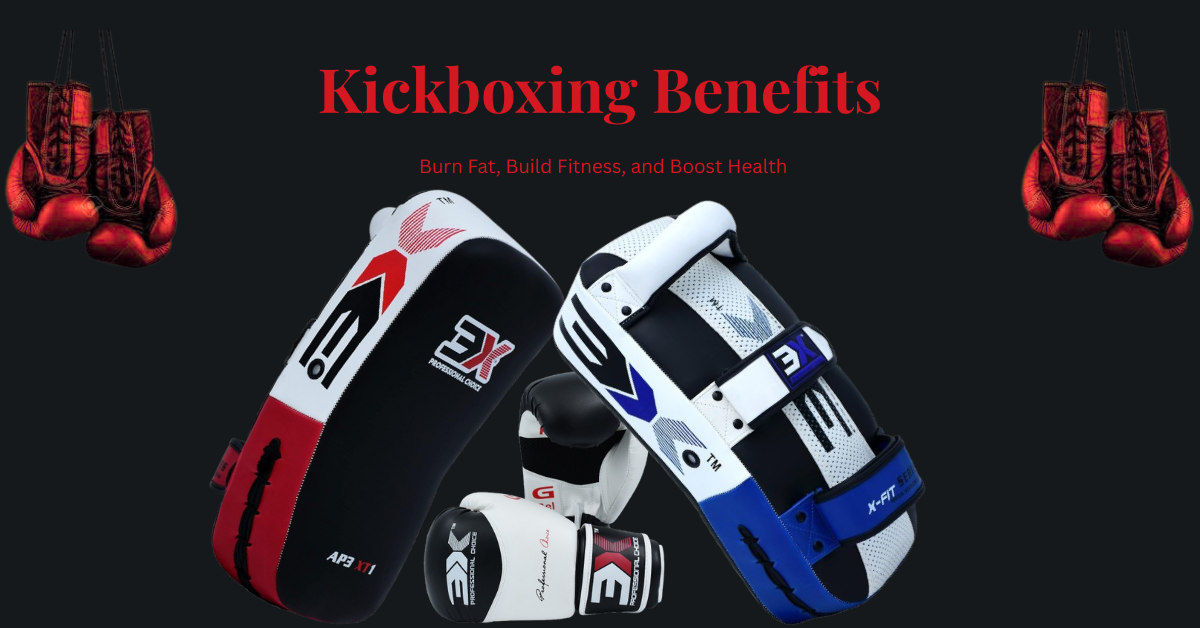
Introduction to Kickboxing as a Fitness Trend
Kickboxing has surged in popularity, not only as a competitive martial art but also as a high-intensity workout that transforms the body and mind. Blending cardio, strength, and agility, it provides a full-body exercise that torches calories, builds lean muscle, and sharpens mental focus. Whether you want to tone up, lose weight, or boost your confidence, kickboxing provides a fun and well-rounded approach to fitness.
The History and Evolution of Kickboxing
Origins as a martial art
Kickboxing originated in the 1960s and 70s, combining elements of traditional karate, Muay Thai, and Western boxing. It was first created as a combat sport with organized rules and striking methods for competition.
Transition into mainstream fitness
Over the years, kickboxing transitioned from being strictly competitive to a mainstream fitness workout. Gyms, studios, and even home workout platforms embraced kickboxing routines, recognizing its ability to deliver results in weight loss, endurance, and overall conditioning.
Why Kickboxing is an Effective Full-Body Workout
Cardio endurance and stamina
Kickboxing is a great cardiovascular workout because of its high intensity and frequent heart-rate-raising periods. Regular practice enhances lung capacity and overall stamina.
Strength training through strikes
Every punch, kick, and knee strike engages muscles in the arms, shoulders, legs, and core. Unlike isolated weightlifting, kickboxing develops functional strength that transfers to daily movements and athletic performance.
Core stability and balance
Kickboxing demands a strong, stable core. From pivoting on kicks to maintaining balance after a strike, your abs and lower back are constantly engaged—helping to sculpt a toned midsection.
Kickboxing for Weight Loss
Calorie-burning potential per session
A single 60-minute kickboxing class can burn 600–800 calories, depending on intensity and body weight. This makes it one of the most efficient workouts for fat loss.
Fat loss and lean muscle development
Unlike traditional cardio, kickboxing builds lean muscle while burning fat, creating a toned physique without bulk.
Metabolism boost post-training
High-intensity workouts like kickboxing trigger the afterburn effect (EPOC), meaning your body continues to burn calories for hours after the session.
Mental and Emotional Benefits of Kickboxing
Stress relief through high-intensity training
Kicking and punching pads offer a constructive way to release tension and annoyance. The rhythmic movements also release endorphins, leaving you energized and uplifted.
Boost in self-confidence and discipline
Learning new combinations and mastering techniques builds confidence. Over time, athletes notice improved posture, body awareness, and discipline in and outside the gym.
Mind-body connection in martial arts
Kickboxing sharpens mental focus, coordination, and reaction time. Each session demands full attention, which enhances cognitive function while training physical skills.
Kickboxing for Self-Defense and Practical Skills
Kickboxing gives participants practical self-defense skills in addition to physical fitness.. Knowing how to throw effective strikes and maintain composure under pressure can be empowering, especially in unpredictable situations.
Best Practices for Beginners
Proper stance and technique
Start by mastering the basics: the fighting stance, jab, cross, hook, uppercut, and front kick. Correct technique prevents injury and maximizes power.
Safety tips to avoid injuries
Always wrap your hands, wear gloves, and warm up thoroughly. Focus on controlled movements rather than going full power right away.
Frequency and duration of training
Beginners can start with 2–3 sessions per week, gradually progressing to 4–5 as fitness improves. Each session should last 45–60 minutes.
Comparing Kickboxing to Other Workouts
Kickboxing vs. boxing
While both offer great cardio and upper-body strength, kickboxing incorporates kicks and knees, making it a more full-body workout.
Kickboxing vs. HIIT workouts
Kickboxing naturally integrates interval training, offering similar benefits as HIIT but with the added bonus of skill-building and technique.
Kickboxing vs. traditional gym training
Unlike repetitive treadmill runs or isolated weightlifting, kickboxing provides variety, excitement, and functional fitness.
Kickboxing for Different Age Groups
Kickboxing for teens and young adults
Perfect for building discipline, coordination, and confidence. Teens benefit from structured, high-energy classes that keep them engaged.
Kickboxing for adults seeking fitness
For busy adults, kickboxing provides a time-efficient workout that combines cardio, strength, and stress relief in one session.
Kickboxing for seniors (modified routines)
With proper modifications, seniors can enjoy low-impact kickboxing that improves mobility, balance, and joint health.
Kickboxing Gear and Equipment You’ll Need
Gloves, wraps, and pads
Hand wraps and gloves protect your wrists and knuckles. Pads are essential for partner drills and bag training.
Clothing and footwear
Lightweight, moisture-wicking clothes and supportive shoes enhance movement and comfort.
Home vs. gym training equipment
At home, a punching bag and basic gloves are enough. Gyms provide pads, heavy bags, and professional instruction.
Sample Kickboxing Workout Plan for Weight Loss
Warm-up routine
- Jump rope: 3 minutes
- Dynamic stretches: 5 minutes
Strike and combination drills
- Jab-cross-hook-uppercut combo: 3 rounds of 2 minutes
- Roundhouse kicks: 3 rounds of 1 minute each leg
- Knee strikes: 3 rounds of 1 minute
Cool-down and stretching
- Shadowboxing at low intensity: 3 minutes
- Static stretching for hamstrings, shoulders, and hips
Common Myths About Kickboxing
“Kickboxing is only for fighters”
False. Kickboxing fitness classes are designed for all levels, with no sparring required.
“Kickboxing is too intense for beginners”
Workouts are scalable. Instructors adjust combinations and intensity to suit individual abilities.
“Kickboxing doesn’t build strength”
Striking engages major muscle groups, making it a powerful strength and conditioning workout.
FAQs on Kickboxing Benefits
Q1: Is kickboxing good for beginners with no martial arts background?
Yes. Most gyms offer beginner-friendly classes that start with basic moves.
Q2: How frequently should I kickbox if I want to lose weight?
Aim for 3–4 sessions per week, combined with a balanced diet.
Q3: Can kickboxing replace traditional cardio like running?
Yes, it’s a more engaging alternative that also builds strength.
Q4: Does kickboxing require flexibility?
Not initially. Flexibility improves naturally as you train.
Q5: Is kickboxing safe for women?
Absolutely. Many women train in kickboxing for fitness, self-defense, and confidence.
Q6: Can kids practice kickboxing safely?
Yes, children may learn kickboxing safely if they receive the right training and participate in age-appropriate drills.
Conclusion: Why Kickboxing is the Ultimate Fitness Solution
Kickboxing is a way of life, not just a kind of exercise.. With its ability to burn fat, build muscle, relieve stress, and boost confidence, it’s one of the most effective and empowering fitness routines available today.
Whether your goal is weight loss, improved fitness, or self-defense skills, kickboxing delivers results while keeping workouts fun and dynamic. By committing to regular practice, you’ll not only unlock physical benefits but also transform your mental resilience and self-discipline.
👉 Ready to get started? Find a local gym, grab your gloves, and step into the world of kickboxing you won’t regret it.